


“I don’t know what to have for breakfast” is one of the most common challenges clients in my UK and online clinic have when we start working together. Or often they will have breakfasts that will later zap their energy and contribute to cravings and energy crashes.
Many of my UK-based clients tell me mornings feel chaotic, especially on work-from-home days or school-run mornings. If you have ADHD and mornings feel rushed, chaotic or inconsistent, breakfast quality can suffer. Or it may even happen that you skip breakfast altogether or simply default to a cup of coffee instead- energy that disappears mid-morning and creates fluctuation mid-afternoon.
A suitable breakfast for adults with ADHD isn’t about having “perfect” meals, but rather about choosing foods that support stable energy, dopamine production and blood sugar balance, even on low-executive-function days. If you also struggle with an ADHD afternoon slump, you will find useful advice in this blog post. Additionally, find extensive guidance on how to eat regularly with ADHD with useful tips.
Below are some of my favourite ADHD-friendly breakfast ideas for adults for rushed mornings. Choose what appeals most by the amount of prep time you have and what you fancy. Pick a warming, nourishing, and realistic to make options when motivation is low and life is busy.

What’s the best breakfast for ADHD for stable energy and focus?
When my clients choose the best breakfast for ADHD, I notice a tendency to go for quick, easy and convenient meals, however it is also important to consider how long the foods will keep you going and what they will do to your energy.
Interestingly, a pilot study of college students showed an increase in brain function after having breakfast, with more emphasised effect in those with ADHD. This is exactly why it’s important to pick a breakfast that will keep your energy going, your focus sharp and mood stable. ADHD brains tend to be more sensitive to blood sugar fluctuations and dopamine dips, which is why breakfast choices can strongly affect how the rest of the day feels.
A supportive ADHD-friendly breakfast usually:
- Includes protein to support dopamine production and reduce crashes. Evidence shows that higher-protein breakfasts for ADHD have been shown to improve morning satiety and support alertness compared with low-protein options.
- Adds fats and fibre for slower energy release. Fats and fibre help slow digestion, meaning energy is released more gradually. Research points out that adding beneficial fats and soluble fibre support blood glucose balance. This reduces the classic mid-morning crash and the urge to reach for sugar or caffeine later.
- Avoids carb-only breakfasts. Toast, cereal or pastries on their own can spike blood sugar quickly and lead to sharper drops in energy and focus quite soon after. Pair carbohydrates with protein or fat to make breakfast more ADHD-supportive.
- Is realistic on low-executive-function mornings. The “best” breakfast is the one you can actually eat consistently. Simple, repeatable options (batch cooking, grab-and-go, minimal prep, prep the night before) work far better for ADHD than complicated recipes that rely on high motivation. This may also be why it’s been tricky to keep consistency up to now.
Small changes to breakfast don’t need to be perfect, but doable and suitable to you. When changes become consistent (even if not perfect), many people with ADHD notice fewer crashes, better focus and less intense cravings later in the day.
10 Favourite ADHD-Friendly Breakfast Ideas That Support Focus, Energy and Moods
If you have ADHD, breakfast isn’t just about eating anything at all, but rather about setting your brain up for steadier energy, better focus and fewer cravings later in the day. The ideas below combine protein, healthy fats and slow-release carbohydrates to support blood sugar balance, dopamine production and more stable moods.
Think of these as flexible, real-life ADHD breakfast ideas to have available when you need inspiration, rather than “perfect” meals. These are reliable options you can rotate based on time, appetite and energy. These are all options you can easily find in UK supermarkets and prep without specialist ingredients or chef knowledge.
Savoury Breakfast Ideas for ADHD Mornings
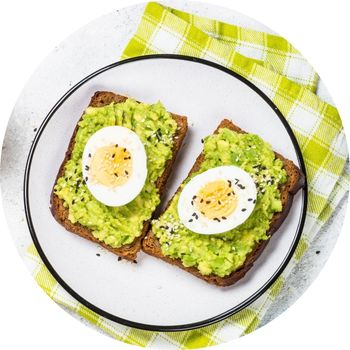
Avocado Toast with Egg or Smoked Salmon
This option is an all-time favourite with my ADHD clients in my nutritional therapy clinic, as it’s easy, quick, nourishing and really delicious. Use rye, sourdough or seeded bread which contains more complex carbohydrates, add mashed avocado, some lemon juice and eggs of your choice. I find it delicious with all types of eggs, such as boiled, scrambled, fried or poached.
Savoury Breakfast Wrap
Short on time or need a quick warm easy ADHD breakfast idea to keep you going through a busy and demanding day? Assemble a savory breakfast wrap with your favourite breakfast ingredients, like scrambled eggs, sausages, avocado, tomatoes and mushrooms, as an example. You can also add rocket or lettuce leaves for some extra greenery.

Cottage Cheese on Toast with Olive Oil & Cherry Tomatoes
Cottage cheese on seeded or sourdough toast is an underrated ADHD-friendly breakfast. Add a drizzle of olive oil, a pinch of salt and pepper, and some cherry tomatoes or roasted veg if you have leftovers. You can also add seeds or fresh herbs for extra flavour. Containing protein for extra focus and energy, as well as fibre and complex carbs to keep you going for longer.

Ranchers Eggs with Beans (Huevos Rancheros)
If you’re more of an egg-for-breakfast type of person, Huevos Rancheros or Ranchers eggs, is a comforting and grounding option. A tomato-based sauce with garlic, onion and chilli, mixed beans for fibre and protein, topped with eggs and finished with avocado and a sprinkle of cheese if you like. Honestly, I love this recipe simply because it can just be a one-pan wonder. This is a brilliant combination of protein, fibre and fats, which supports steadier blood sugar and sustained energy.

Egg Muffins with Feta and Vegetables
Egg muffins are ideal for batch cooking and help reduce decision fatigue and remove the “what should I eat?” stress in the morning. Whisk eggs with feta and chopped vegetables (spinach, courgette, peppers, onions, broccoli all work well), bake in a muffin tray and store in the fridge or freezer. The protein helps with focus and mood stability, and having them ready-made supports consistency, which is often the hardest part with ADHD. Easy to reheat in seconds on busy mornings and at least you know you have something ready to go.

Sweeter ADHD Breakfast Options
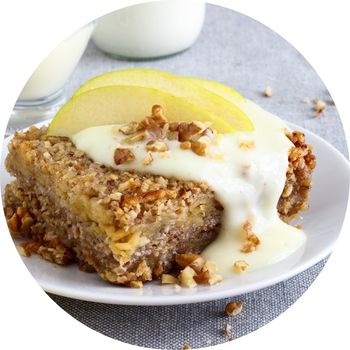
Oatmeal Bake
Baked oatmeal is perfect if you like something warm and comforting but don’t want to stand over the stove in the morning. Make a batch with oats, eggs or yoghurt, nuts or seeds, berries or apples, and warming spices like cinnamon. This gives you slow-release energy from oats plus protein and fats to keep blood sugar steadier. Eat it warm or cold depending on your mood. I love to eat it with yoghurt for extra moisture.
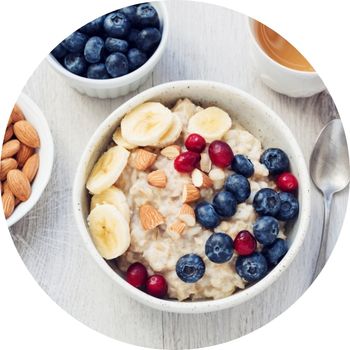
Protein Porridge
Upgrade your usual porridge by adding a scoop of protein powder, Greek yoghurt or nut butter. Top with berries, seeds or chopped nuts. Adding protein and fats supports sustained energy, better focus and fewer cravings mid-morning. This keeps the comfort of porridge but makes it a little bit more ADHD-friendly.
Overnight Oats with Chia Seeds, Fruit and Nut Butter
Overnight oats are perfect for mornings when you can’t face cooking. Soak oats with chia seeds, milk or yoghurt overnight, add fruit and a spoon of nut butter before eating. The combination of fibre, protein and fats supports steadier energy and helps reduce impulsive snacking later in the day. Grab and go in the morning. I like to prepare a few batches of dry ingredients in jars or tupperware pots and just add milk or yoghurt the night before.

Granola Pot
Another excellent option when you’re stuck for quick and easy ADHD breakfast ideas on the go is a homemade granola pot. Couldn’t be easier to make, as you simply layer your ingredients- add berry or apple compote as a bottom layer, generously scoop coconut yoghurt or natural Greek yoghurt as the biggest, middle layer and top with granola.
If you can, make your granola yourself with delicious warming spices, nuts and seeds or if you’re short of time, get a premade version, lower in sugar. You can premake the pots the night before, but add the granola layer in the morning or just before eating, in order to preserve the crunch.

A Substantial Smoothie
Making a breakfast smoothie can be an excellent option for ADHDers due to convenience, but the composition will be key here. It’s important that 40-50% of the smoothie comes from vegetables for fibre, vitamins and minerals, while the rest comes from fruit, oats, peanut butter (or other nut butter) and a protein powder, if you’re using one. Find more inspiration and recipes, such as the Morning Focus Breakfast Smoothie Here.

A Few Last Words on ADHD- Friendly Breakfasts
Having a consistent, balanced breakfast can be incredibly beneficial for ADHDers and help cultivate steady energy and focus through the day. Aim to have your breakfast within the first 1-1.5h of waking up for steadier blood sugar regulation.
Of course, it is also important how to continue to eat for the rest of the day, the regularity and timing of your meals, impacts and timing of ADHD medication and many other factors that can influence how the energy, focus and cravings can change. If you are keen to know more on what specific nutrients could support ADHD, check out this blog post on essential nutrients for ADHD.
If you’re ready to get extra support and accountability from an experienced ADHD nutritional therapist, explore working with me to support your ADHD nutrition, or book a free discovery call to see if we’re a good fit. I work with adults with ADHD across the UK and Europe online.

FAQs: Best Breakfast for ADHD
-
What is the best breakfast for ADHD?
The best breakfast for ADHD combines protein, healthy fats and slow-release carbohydrates to support stable blood sugar, focus and mood. Examples include eggs on sourdough with avocado, protein porridge, overnight oats with nut butter, or a balanced smoothie with vegetables, fruit and protein. These combinations help prevent energy crashes, brain fog and intense cravings later in the day.
-
Should people with ADHD eat breakfast if they’re not hungry in the morning?
Yes — even a small, gentle breakfast can help stabilise energy and focus for people with ADHD. Skipping breakfast often leads to blood sugar dips, irritability and stronger cravings later on. If full meals feel too much, a small option like a smoothie, yoghurt with nuts, or toast with peanut butter can still provide useful support for attention and mood.
-
What should people with ADHD avoid eating for breakfast?
For ADHD, it helps to avoid breakfasts that are mostly refined carbohydrates or sugar (such as sweet pastries, sugary cereals or toast with jam alone). These can cause quick energy spikes followed by crashes, which may worsen distractibility, fatigue and cravings. Pairing carbohydrates with protein and fats leads to steadier energy and better concentration.
-
How much protein should breakfast include for ADHD?
There’s no single perfect amount, but aiming for 20–30g of protein at breakfast is a helpful guideline for many adults with ADHD. Protein supports dopamine production, which is linked to motivation and focus, and helps keep energy more stable through the morning. Eggs, Greek yoghurt, cottage cheese, tofu, nut butters or protein-enriched porridge are practical ways to reach this.
References and further reading:
- Brandley, E. T., & Holton, K. F. (2020). Breakfast Positively Impacts Cognitive Function in College Students With and Without ADHD. American journal of health promotion : AJHP, 34(6), 668–671. https://doi.org/10.1177/0890117120903235
- Leidy, H. J., Clifton, P. M., Astrup, A., Wycherley, T. P., Westerterp-Plantenga, M. S., Luscombe-Marsh, N. D., Woods, S. C., & Mattes, R. D. (2015). The role of protein in weight loss and maintenance. The American journal of clinical nutrition, 101(6), 1320S–1329S. https://doi.org/10.3945/ajcn.114.084038
- Jenkins, D. J., Kendall, C. W., Augustin, L. S., Mitchell, S., Sahye-Pudaruth, S., Blanco Mejia, S., Chiavaroli, L., Mirrahimi, A., Ireland, C., Bashyam, B., Vidgen, E., de Souza, R. J., Sievenpiper, J. L., Coveney, J., Leiter, L. A., & Josse, R. G. (2012). Effect of legumes as part of a low glycemic index diet on glycemic control and cardiovascular risk factors in type 2 diabetes mellitus: a randomized controlled trial. Archives of internal medicine, 172(21), 1653–1660. https://doi.org/10.1001/2013.jamainternmed.70