

The best books for binge eating recovery are those that address both food behaviours and the emotional drivers behind them. Evidence-based CBT-E approaches, trauma-informed perspectives, and anti-diet frameworks tend to be the most effective. The right book depends on whether you’re early in recovery, struggling with shame, or working on long-term patterns.
If you’re searching for the best books to stop binge eating, chances are you’ve already tried willpower, meal plans, rules or “starting again on Monday” – and none of it has truly helped long term.
As many of my clients start to understand after starting work together, binge eating ISN’T a lack of self-control or willpower. It’s a complex pattern shaped by biology, nervous system regulation, restriction, emotional coping, learned behaviours and sometimes neurodivergence like ADHD. That’s why the most helpful books on binge eating recovery go beyond food rules and focus on understanding why binge eating happens, strategic and compassionate tools and ways to overcome guilt and shame.
As a binge eating nutritionist working with clients across the UK and Europe, I’m often asked which books I actually recommend — not just popular titles, but ones that are clinically grounded, compassionate and genuinely supportive of recovery. This guide brings together the books I trust, use in practice, and regularly recommend to clients at different stages of binge eating recovery.
If you’re reading this shortly after a binge and feeling overwhelmed, you may find it helpful to start with practical, compassionate steps first. I’ve shared a grounded guide on what to do after a binge for simple, step-by-step guidance.
- How I chose these self-help books for binge eating
- Best books to stop binge eating naturally (expert-recommended)
- 1. Overcoming Binge Eating – Dr. Christopher G. Fairburn (2nd Edition)
- 2. The Binge Code – Alison Kerr & Richard Kerr
- 3. 8 Keys to Recovery from an Eating Disorder – Carolyn Costin & Gwen Shubert Grabb
- 4. Binge Eating Disorder: The Journey to Recovery and Beyond – Amy Pershing & Chevese Turner
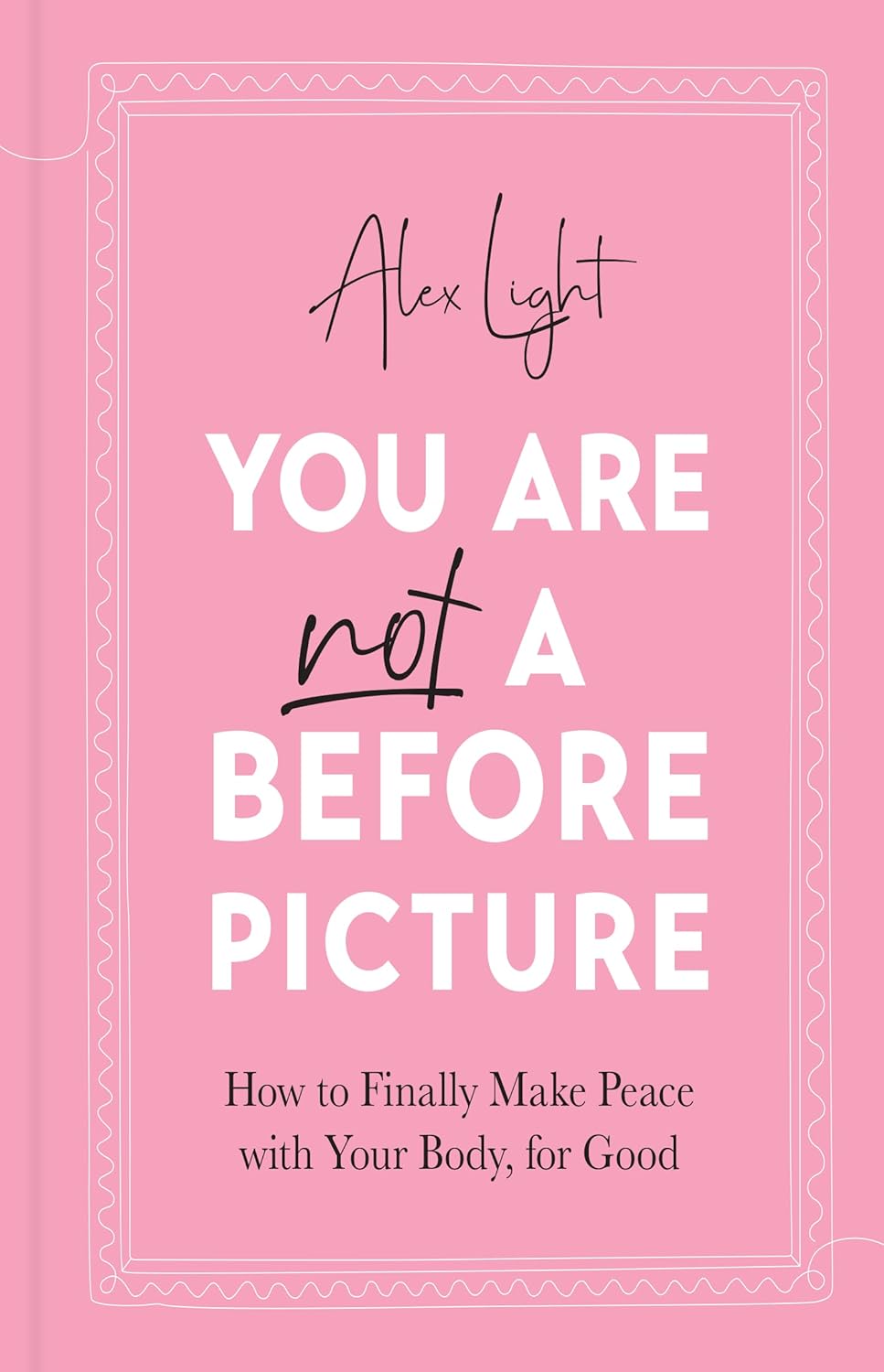
- 5. You Are Not a Before Picture – Alex Light
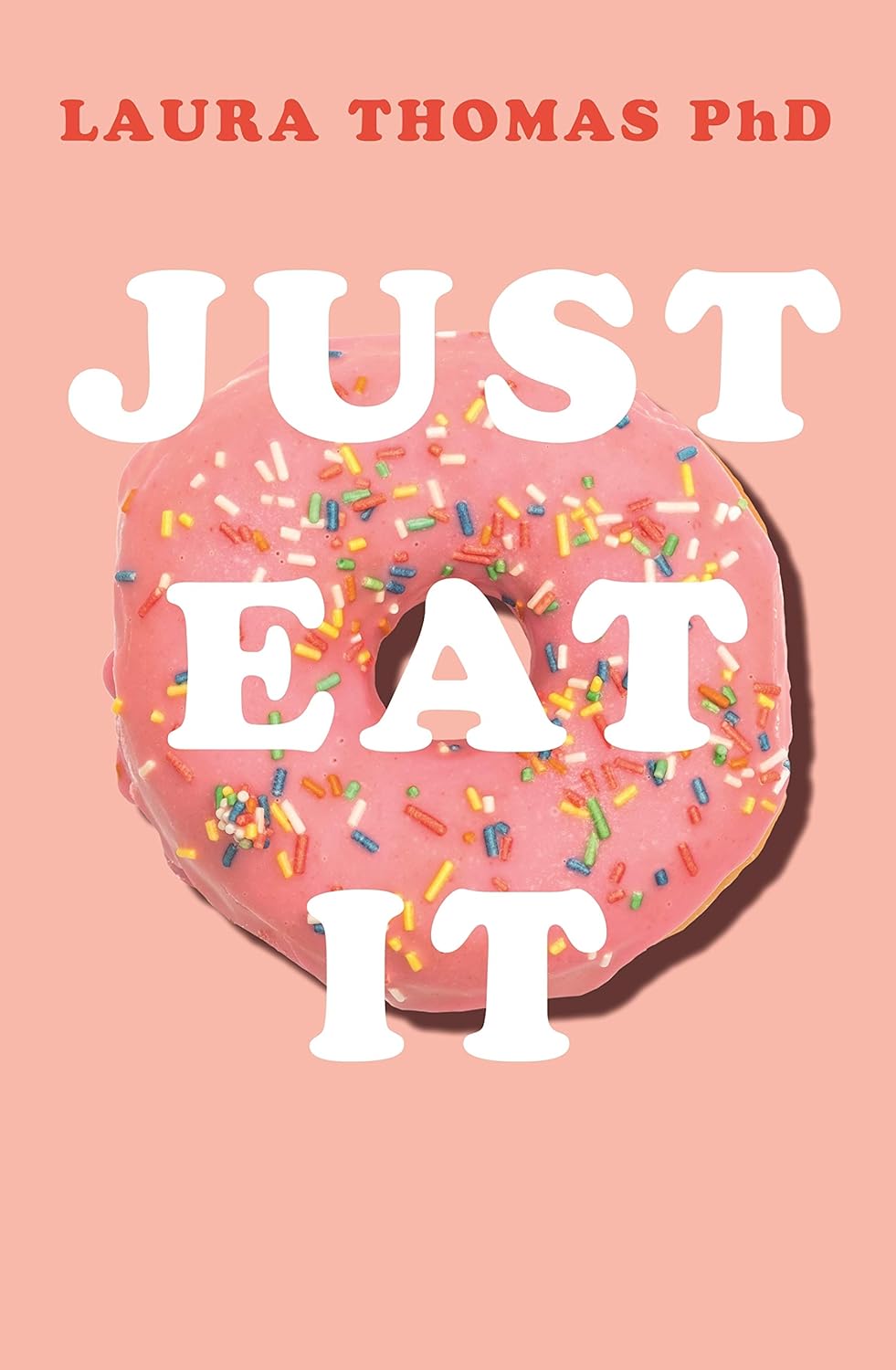
- 6. Just Eat It – Laura Thomas PhD
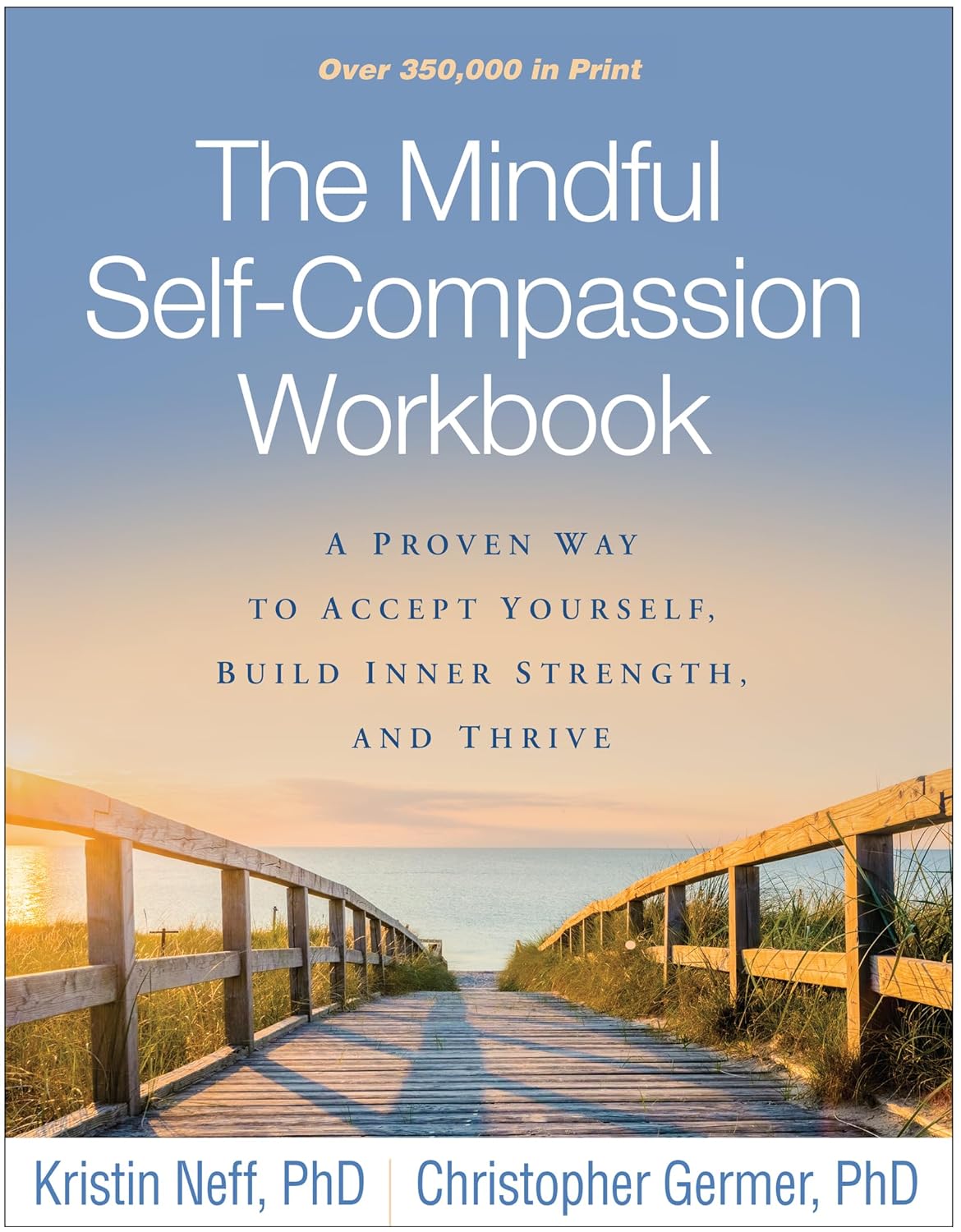
- 7. The Mindful Self-Compassion Workbook – Kristin Neff & Christopher Germer
- Final thoughts: books can support recovery, but they’re not the whole picture
How I chose these self-help books for binge eating
I’m a registered nutritional therapist specialising in binge eating recovery, and I support clients across the UK and Europe both in clinic and online for the past 9+ years.
There’s no shortage of books that mention binge eating, but far fewer that truly support recovery in a compassionate, person-centered approach.
The books below I selected based on three key criteria:
- Clinical usefulness – many of these are books I actively use in clinic, reference during sessions, or share excerpts from with clients
- Recovery-focused, not diet-driven – none of these promote restriction, rigid weight loss or food rules as a solution
- Grounded and evidence-informed – written by clinicians, researchers or practitioners with deep experience in eating disorder recovery
Some are my personal favourites; others are particularly helpful for specific stages of recovery, from early insight-building to deeper emotional and nervous system work. Not every binge eating recovery book will resonate with everyone, and that’s okay. Choose what resonates and leave the rest.
Think of this list as a toolkit rather than a checklist. Many people get stuck reading multiple books without applying them. Choose ONE book that matches your current stage of recovery, read slowly, and avoid using books as another form of ‘doing recovery perfectly’
Best books to stop binge eating naturally (expert-recommended)
Below is a curated list of binge eating recovery books that I regularly recommend as part of a supportive, non-diet approach in my nutritional therapy clinic. Each book is followed by a short breakdown of what it focuses on, who it’s best suited for, and my professional take on where it fits within the recovery process. Start here if you want a basic understanding of the binge-restrict cycle first.
Some are more practical and structured, others more reflective and compassionate. And yet it’s important to remember that books for binge eating disorder work best alongside professional support rather than as a stand-alone solution.
Many of my UK and European clients turn to books while waiting for NHS support or alongside private nutritional therapy and psychotherapy/ counselling.
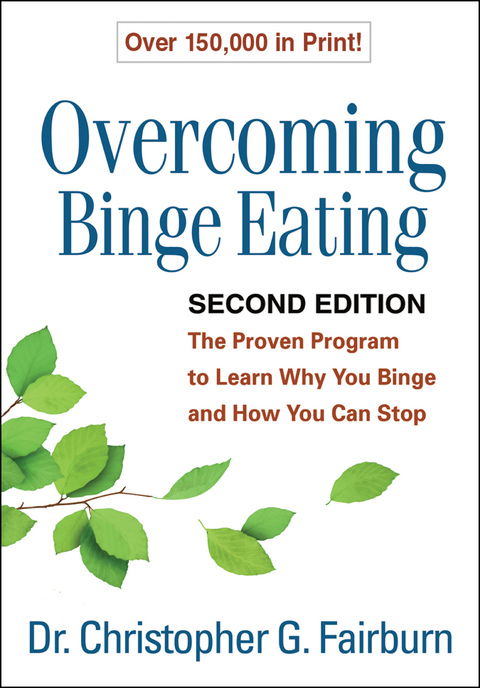
1. Overcoming Binge Eating – Dr. Christopher G. Fairburn (2nd Edition)
What this book focuses on
On clear step-by-step approaches and tools that can be used straight away, using a scientific CBT-E (cognitive behavioural therapy for eating disorders) approach, which is widely recognised in eating disorder recovery.
Who this book is best for
- People, who want clear frameworks
- Those that mostly benefit from logic, scientific explanations
- People, who are new to binge eating recovery
What it does well
- Simple and understandable explanations on why binge eating is happening
- Helps see binge eating as a learned patterns and normalises it
- Gives you strategies and tools, backed by science
Potential limitations
Some of my clients find this book to be a little too clinical and for those that struggle with attention or a lot of scientific information, they may benefit from a different book and style. Due to this book now being over a decade old, there is limited focus on neurodivergence and acknowledgment of emotional trauma, which often play a role in binge eating
My professional take
Many of my clients would have read this book at the beginning of their journey towards overcoming binge eating, which gives them an understanding of their patterns and a few tools to get started with. In practice, I see the best results when it is coupled with nervous system regulation and guidance.
⭐ Best for: understanding patterns and early binge eating recovery
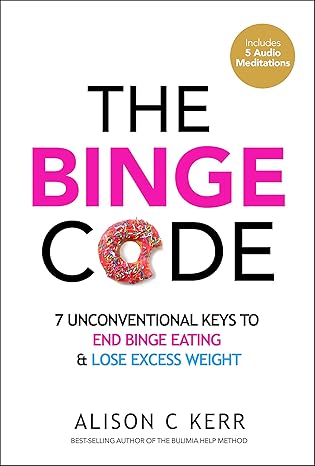
2. The Binge Code – Alison Kerr & Richard Kerr
What this book focuses on
A neuroscience-informed approach of binge eating as a habit loop, rather than a lack of willpower. Packed with actionable tools and additional resources
Who this book is best for
- For those that feel out of control around food
- Those that resonate with brain-based or habit explanations
- People who want simple, conversational easy going book
What it does well
- Reduces shame around binge eating
- Provides plenty of simple, actionable strategies to try
- Feels like a supportive companion on a journey
Potential limitations
Less guidance on the day-to-day nutritional recommendations, but rather top-line suggestions and guidance. Some readers may also want more emotional depth in the book.
My professional take
A great book that feels like a trusted friend with more scientific explanations guiding you. In my clinic the book is particularly helpful for people who feel trapped in compulsive patterns, carry lots of self-judgement and need some first steps to break the patterns.
⭐ Best for: breaking shame, understanding habit loops and early recovery.
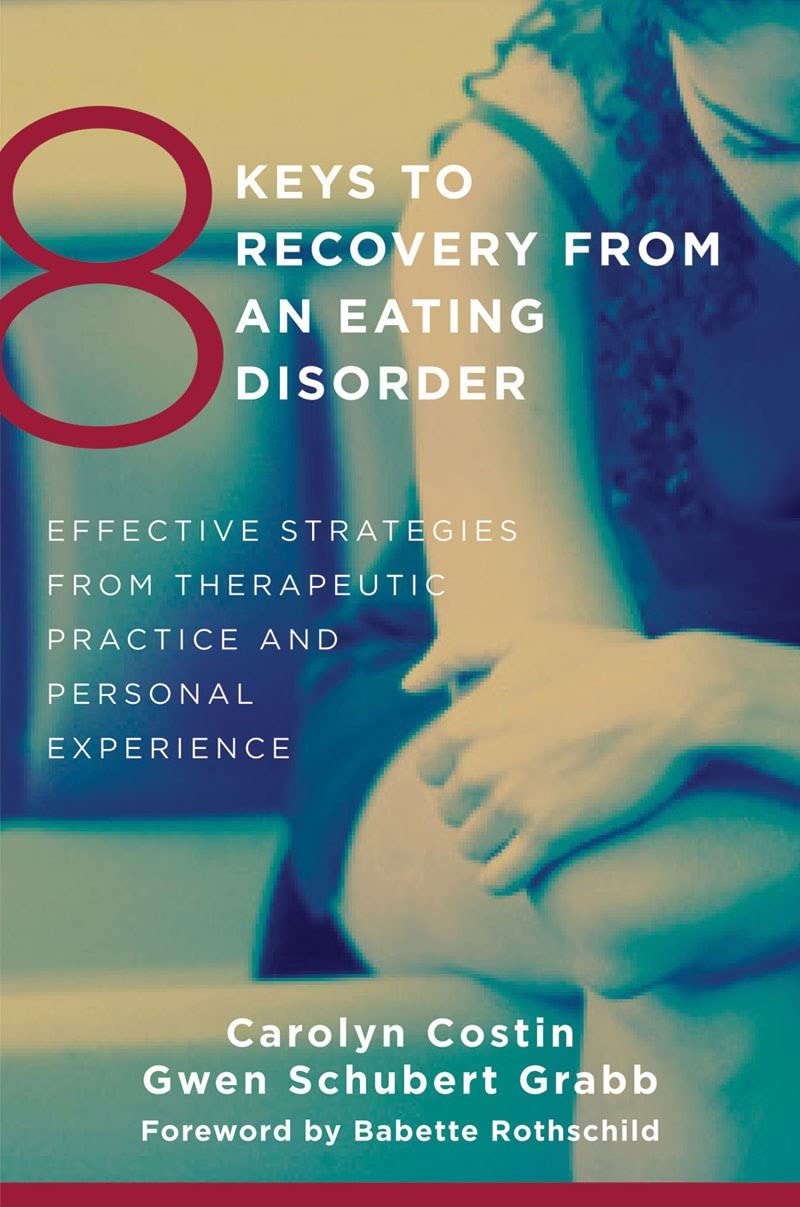
3. 8 Keys to Recovery from an Eating Disorder – Carolyn Costin & Gwen Shubert Grabb
What this book focuses on
A holistic, recovery-orientated roadmap by a couple of experienced eating disorder therapists that bring emotional, psychological and relational aspects to eating disorder recovery. Also has an accompanying workbook
Who this book is best for
- Those that appreciate a broader, emotionally deeper approach to recovery
- If you’re exploring identity-based healing
- People ready to reflect and do deeper inner work
What it does well
- Addresses recovery way beyond just food, weight and strategies
- Focuses on emotional awareness, self-compassion and mind-body connection
- Includes personal stories to relate to
Potential limitations
The book is geared towards eating disorders in general, not specific for binge eating, hence some guidance may feel abstract if wanting clear and concrete tools and guidance
My professional take
A supportive, validating and compassionate book to those suffering with any eating disorder or eating distress and body image issues. Goes beyond general guidance, much deeper emotional and identity exploration and has a bigger section geared towards body image. In my clinic I often use excerpts of a book alongside the practical guidance.
⭐ Best for: emotional healing, a more soulful approach to recovery
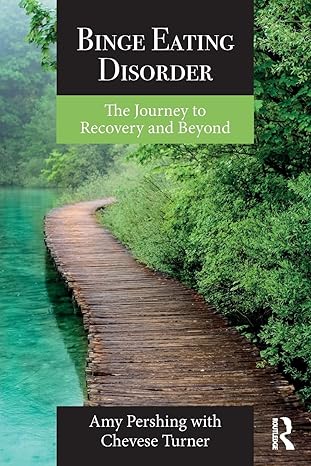
4. Binge Eating Disorder: The Journey to Recovery and Beyond – Amy Pershing & Chevese Turner
What this book focuses on
An excellent compassionate trauma-informed guide on binge eating disorder, with lived experience and client commentaries
Who this book is best for
- Long-term and chronic binge eating patterns
- People with history of trauma
- Readers seeking hope and validation on their long journey
What it does well
- Non-judgemental and compassionate approach
- Addresses the role of trauma and nervous system regulation in recovery
- Validates recovery as a non-linear journey
Potential limitations
May feel less practical and packed with strategies then other books, less focus on nutritional balance and nutrition strategies. It may also be too in-depth for people in the early stages of recovery.
My professional take
This book is great to get some deeper insights and reflections on binge eating behaviours that have been going on for a while. Useful if you feel stuck in old patterns, unable to shift
⭐ Best for: compassionate, trauma-informed recovery
5. You Are Not a Before Picture – Alex Light
What this book focuses on
A compassionate, anti-diet exploration of body image, self-worth, and how diet culture quietly fuels binge–restrict cycles. Alex Light looks at the emotional and cultural roots of disordered eating rather than prescribing rules or fixes.
Who this book is best for
- People who feel exhausted by constant self-improvement
- Those who intellectually “know” diets don’t work but still feel trapped in body comparison
- Anyone stuck in the identity of needing to be “fixed” before they can live
What it does well
- Strongly challenges diet culture and the “before/after” mindset
- Non-judgemental, validating tone that helps reduce shame around eating behaviours
- Encourages readers to question internalised beliefs about weight, control, and self-discipline
Potential limitations
The book is more focused on the body image aspect of binge eating and recovery, rather than other practical strategies. It is not a step-by-step recovery guide, therefore is not a resource in isolation
My professional take
An excellent addition to anything else you are reading or any other support you are receiving alongside. From clinical work I know that body image work is fundamental to recovery and long-term success. And often, it takes a few different views to help catalyse lasting change.
⭐ Best for: dismantling unhelpful body image beliefs and creating a better relationship with your body
6. Just Eat It – Laura Thomas PhD
What this book focuses on
An anti-diet, intuitive eating approach written in an approachable, straightforward manner that challenges diet culture and promotes food freedom. There’s also a useful workbook that comes alongside
Who this book is best for
- People exhausted by dieting and food rules
- Those who are trying to reconnect to body’s natural cues after periods of restriction and bingeing
- Readers wanting a gentler, values-based approach
What it does well
- Strongly dismantles diet culture narratives
- Normalises appetite, hunger and pleasure
- Encourages flexibility and permission with food
Potential limitations
There’s less emphasis on binge eating as a separate issue in this book, yet it is more focused on restoring hunger and fullness cues, reconnecting to the body and following intuitive eating principles. It has a more straightforward, strong language, which not everyone may relate to.
My professional take
A modern take on the Intuitive Eating approach designed to reduce fear and guilt around food and “eat normally”. In my clinical practice, this is a useful approach and intuitive skills to cultivate towards the end of the binge eating recovery, once the nutritional balance has been restored and it is then easier to listen to the hunger and fullness cues.
⭐ Best for: restoring hunger and fullness cues, overcoming diet culture and rebuilding trust with the body.
7. The Mindful Self-Compassion Workbook – Kristin Neff & Christopher Germer
What this book focuses on
Taming the judgemental inner critic and cultivating self-compassion are some of the most challenging tasks in overcoming binge eating, which is exactly what this book helps do in a mindful, practical and evidenced-based way
Who this book is best for
- People whose struggle to tame the harsh self-criticism, guilt or shame
- Those who feel stuck in an all-or-nothing mindset or cycle of “I’ve failed again”
- Readers wanting practical exercises for self-compassion
What it does well
- Provides clear, structured exercises to build self-compassion step by step
- Addresses shame, perfectionism and the inner critic well – all common binge triggers
- Integrates mindfulness with emotional regulation and nervous system awareness
Potential limitations
Exercises require depth, time and practical application and some may find these emotionally challenging if completing the workbook without guidance. Also this is not specifically geared towards binge eating, hence the examples may not always be geared towards binge eating
My professional take
In my clinical practice I often work with clients that struggle to change the judgemental inner critic into a more compassionate supportive voice. Alongside work on other aspects of recovery including nutrition, behaviour and psychology, this book can really help open those doors and help with practical tools to practice new ways of speaking to yourself, reducing shame and guilt so present in binge eating
⭐ Best for: reducing shame, calming the inner critic and building emotional resilience in binge eating recovery
Final thoughts: books can support recovery, but they’re not the whole picture
The right binge eating recovery book can be incredibly validating. Many people I work with in my clinic tell me that reading about binge eating for the first time helped them realise they weren’t broken, weak or lacking willpower, but rather they were responding to restriction, stress and unmet needs in very human ways.
Books can offer insight, language and reassurance. But they can’t adapt to your history, your nervous system, your food patterns or your current life circumstances. Binge eating recovery is rarely about finding more information — it’s about learning how to apply what you know in a way that feels safe, sustainable and compassionate.
If you’ve read some of these books and still feel stuck in the binge–restrict cycle, that doesn’t mean you’ve failed or “haven’t tried hard enough”. It usually means you’d benefit from personalised support.
👉 If you’re ready for personalised support to stop binge eating, you can work with me 1:1 — or book a no-pressure discovery call to explore whether this approach feels right for you.
If you suspect you may have binge eating disorder, professional support alongside self-help resources is strongly recommended.
FAQs on 7 Best Books for Binge Eating Recovery
-
What are the best books for binge eating recovery?
The best books for binge eating recovery are those that address both the behavioural patterns around food and the emotional drivers underneath them. Highly recommended titles include Overcoming Binge Eating by Christopher Fairburn for evidence-based strategies, Just Eat It by Laura Thomas for breaking free from diet culture, and Binge Eating Disorder: The Journey to Recovery and Beyond by Pershing and Turner for a trauma-informed perspective. The most helpful book often depends on where you are in your recovery journey.
-
Can books really help with binge eating?
Yes — the right book can be a powerful support in binge eating recovery. Books can help you understand why binge eating happens, reduce shame, challenge unhelpful beliefs about food and body image, and introduce practical tools for change. While books don’t replace professional support, many people find them an important first step or a valuable complement to therapy or nutritional counselling.
-
Which binge eating book should I start with?
If you’re new to binge eating recovery, Overcoming Binge Eating by Christopher Fairburn is often a strong starting point due to its clear structure and evidence-based approach. If dieting and food rules feel like the core issue, Just Eat It may feel more supportive. If shame, trauma or long-standing emotional patterns are present, a more compassionate, trauma-informed book may be a better place to begin. There is no “one right” starting point — the best choice is the one that feels most accessible to you right now.
-
Do binge eating books promote dieting or weight loss?
The books for binge eating disorder recommended here do not promote dieting or weight-loss-focused approaches. Instead, they focus on reducing binge eating by restoring nutritional balance, addressing emotional regulation, dismantling diet culture, and building self-compassion. Sustainable recovery is about improving your relationship with food and your body — not pursuing weight control.